

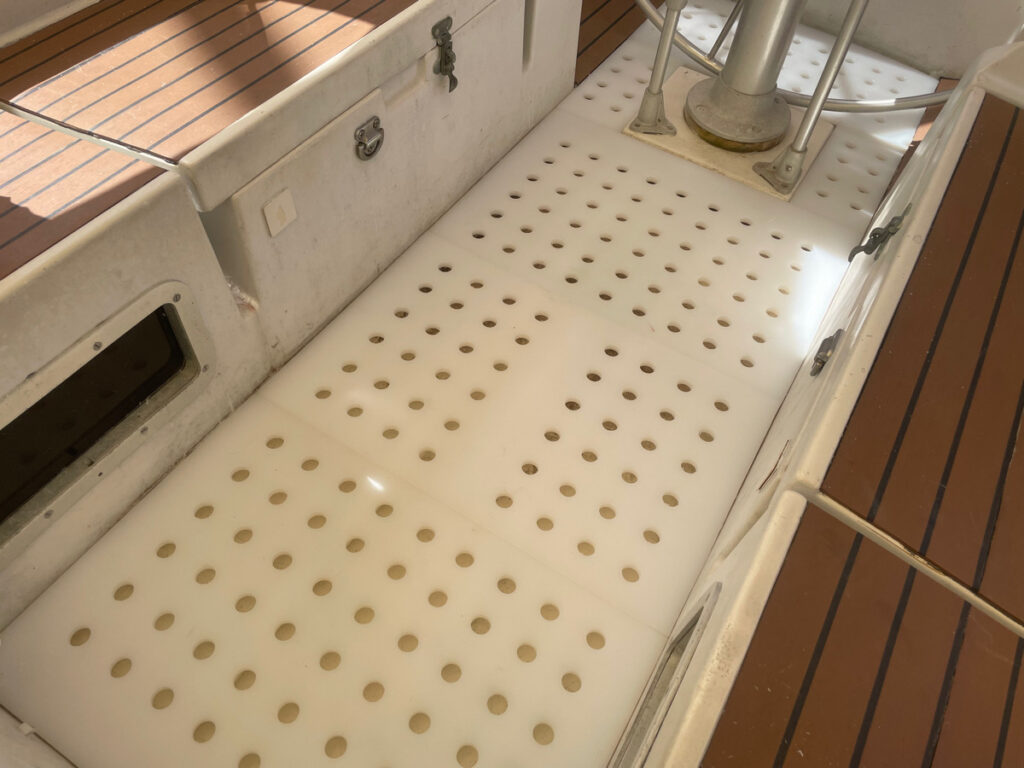
Before Avant ditched the rainy Pacific Northwest for sunnier southern climes in 2013, we had to tackle replacing the cockpit grate. It wasn’t just a fancy footrest – it was essential to the cockpit’s design. Without the grate, the floor’s molded support ridges turned into trip hazards; there was no non-skid; and aft of the wheel you’d be standing on thin air since behind the helm there was nothing but a yawning, foot-deep hole with the rudder head at the bottom. The original teak grate was on its last legs, cracking like an old sailor’s knees and splintering at the edges from sheer exhaustion.
Hunting for materials in Vancouver, I struck out on teak – probably a temporary shortage. Even if I’d found it, the price would’ve sunk my budget faster than a lead keel. I pivoted to alternatives and landed on Trex synthetic decking from Home Depot. It boasted a 25-year warranty, looked convincingly wood-like, played nice with standard tools, held fasteners like a champ, glued up well with epoxy, and didn’t require selling a kidney. Over a week of evenings, I built a replacement using the old grate as a template.
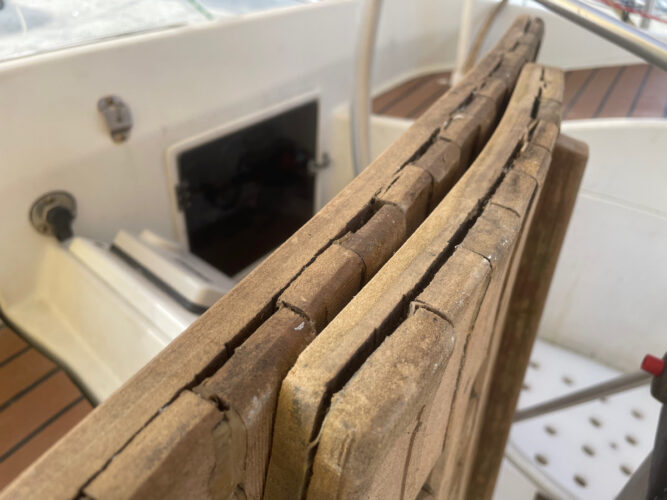
In addition to warping, the glued joints all failed in the heat and moisture in Panama.
We cruised with the Trex grate through Canadian waters and down the coast to Panama, clocking a solid 10 years without drama. It wore like iron and felt great underfoot – until Panama’s tropical steam bath revealed Trex’s villainous alter ego. Trex, a mix of recycled plastics, sawdust, and wood fibers, decided high humidity was party time. The wood bits inside the composite swelled up like they’d hit the free beer buffet, leading to a slow-motion meltdown: splits, warps, and curves that would make a banana jealous. The only parts that held up were the epoxy glue joints, although they ripped away from the rest of the Trex. We tried playing hero with drying sessions and slathering on Thompson’s Water Seal, but it was doomed: we would need to open the third chapter in Avant’s cockpit grate saga.
Needing a fix in Panama, we daydreamed of teak again (given the local plantations, we were hopeful), but suppliers were elusive. Trex, or knockoffs? Nope, and good riddance considering the climate’s grudge against them. Marine King Starboard? Might as well ask for unicorn hides. Then, inspiration struck in a commercial kitchen supply store: large 25mm-thick HDPE cutting boards. Thick, textured for nonskid, tough as nails, moisture-proof, and saltwater-savvy. Standard food-grade HDPE might lack UV stabilizers, risking fade or brittleness in the sun, but after a year aboard Avant, it’s still looking fresh: no signs of solar surrender yet.
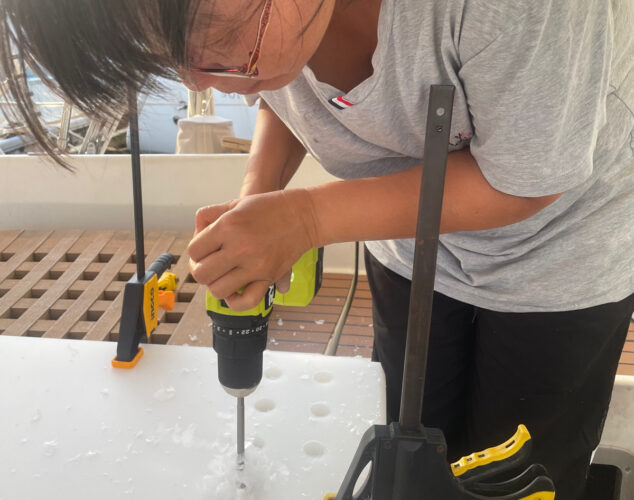
Debra drilling one of the hundreds of drainage/weight-reducing holes in the new grates.
We snagged a few boards and traced the old grate’s pattern. Ditching the fancy dado joints of yore, we went simple and drilled a grid of holes for weight reduction, drainage, and grip. A one-inch spade bit handled hundreds of holes without showing any sign of wear, spinning off decorative spirals of HDPE like Christmas tree decorations. We routed the holes’ edges with a rounded bottom and a small 45° rebate on top to banish sharp edges and keep them barefoot friendly. The panels were cut to size with the router (we used a small cordless ‘trim router’, which proved to have all the power we needed), guided by the other boards or offcuts used as straight-edges, and finished with matching rebates atop and rounds under the outer edges just like the original. We placed a bit of rubber between the board to be cut and the board used as a straight edge when clamping, as the HDPE-on-HDPE surfaces tended to slip.
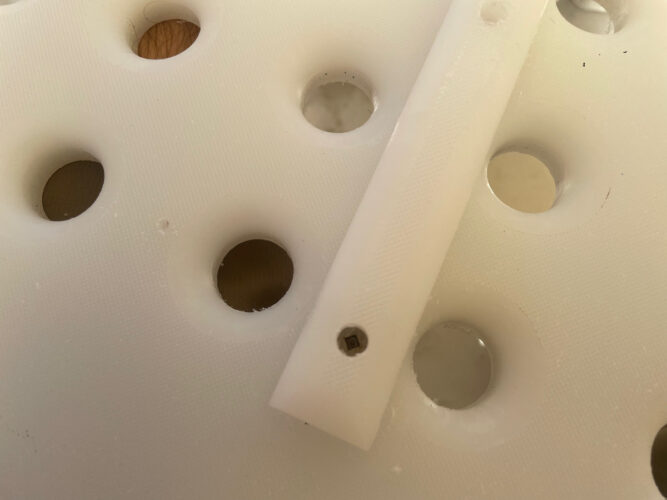
The underside, showing rounded holes and a spacer to limit sag when the grate is stepped on.
HDPE cuts and drills like wood, but you need to keep your blades razor-sharp to avoid melty messes or rough, grime-grabbing surfaces. Buying new, factory sharp bits is likely a worthwhile investment. Sanding works, but clean cuts rule. Gluing? Forget it: HDPE laughs at adhesives. Plastic welding? Above our DIY capability range. So, we went mechanical: 316 stainless nuts, bolts, and screws for assembly. The section behind the wheel needed an aluminum L-beam on its underside for support, since the 24-inch span caused the HDPE to flex like a trampoline under the weight of the person at the helm. We added an HDPE slat to buffer the metals and prevent any electrolytic drama. Board sizes meant the main floor became three pieces instead of one, but butted tight, it’s seamless – unless you’re a perfectionist with a micrometer.
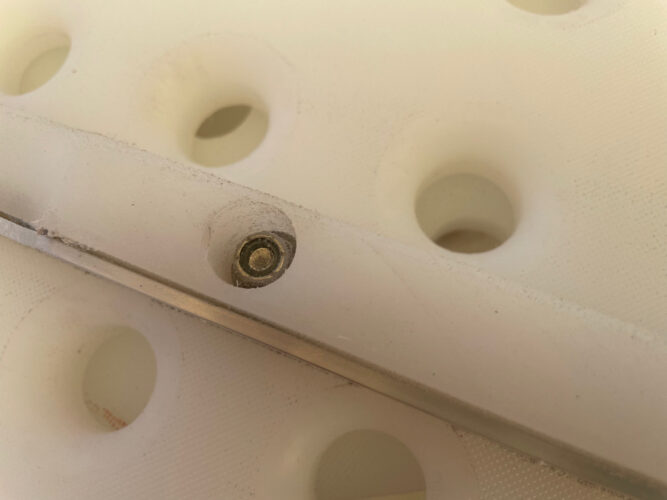
The aluminum L-beam, with a slat of HDPE to limit sag, isolate the aluminum and stainless, and hide the sharp edges.
This HDPE board is versatile: perfect for shower grates, duckboards, or anywhere aboard needing durable flooring. Indoors, UV worries vanish. Bonus: the white surface stays cooler than teak in the tropics, and it’s literally made for chopping – ideal for filleting that fresh catch without switching tools. Materials were dirt-cheap (less than $200 for everything), and it’s holding strong, proving that sometimes the best boat hack comes from hardware store, not the chandlery.
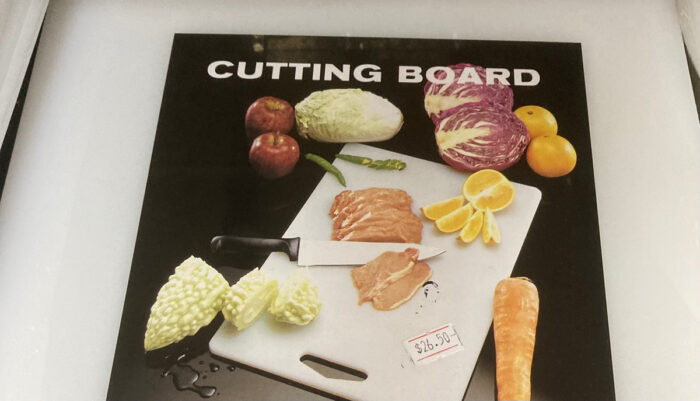
Cutting boards, cheap and cheerful building materials for our cockpit grate replacement
Avant’s cutting board cockpit grate: an unconventional win that’s kept us steady on our feet, without the high-seas heartbreak of its predecessors (so far). Who knew kitchen essentials could outsmart the elements?


 Currents PDFs


Comments